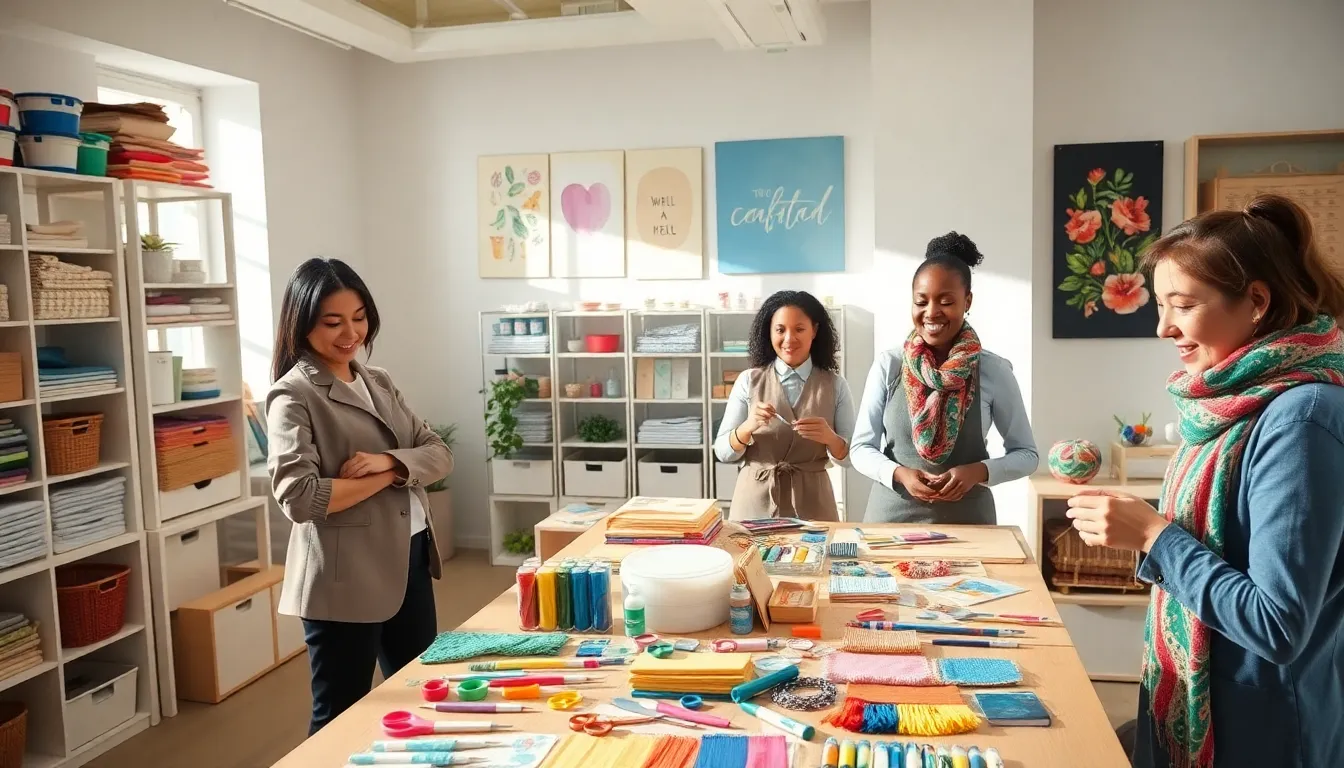

Scrap fabric projects are the crafty superhero every DIY enthusiast needs. Instead of letting those leftover bits of fabric gather dust in the corner, why not transform them into something fabulous? With a sprinkle of creativity and a dash of humor, these projects can turn even the most chaotic sewing room into a treasure trove of unique creations.
Imagine whipping up a quirky patchwork pillow or a funky tote bag that’s the envy of all your friends. Not only does this give fabric a second life, but it also keeps your wallet happy. So grab those scraps and get ready to dive into a world where creativity reigns supreme and waste is a thing of the past. Who knew saving the planet could be so much fun?
Table of Contents
ToggleOverview of Scrap Fabric Projects
Scrap fabric projects invite creativity and resourcefulness in the DIY community. Utilizing leftover fabric opens opportunities for creating unique and functional items. Examples include patchwork pillows, tote bags, and fabric bookmarks, showcasing both artistic flair and practical use.
Crafters often find joy in transforming discarded scraps into gifts or home decor. The versatility of scrap fabric enables individuals to experiment with colors, textures, and patterns. Many enjoy the challenge of piecing together various fabric remnants to form cohesive designs.
Environmental sustainability plays a crucial role in these projects. By repurposing fabric, individuals reduce waste and lessen the environmental footprint associated with textile production. Involving friends or family in group projects amplifies the fun. It creates an enjoyable atmosphere where ideas can be shared and skills developed.
Cost-effective solutions emerge when using scraps rather than purchasing new materials. This approach contributes to budget-friendly crafting. Those engaging in scrap fabric projects often discover newfound skills, boosting confidence in their creative abilities. The satisfaction of completing a project from scraps fuels motivation for future endeavors.
Workshops dedicated to scrap fabric projects often spark interest in learning new techniques. Painting, quilting, and sewing serve as popular methods for transforming remnants into desired items. Tutorials available online provide step-by-step guidance for beginners and experts alike.
In pursuit of crafting excellence, communities frequently share their creations, inspiring others. This sense of camaraderie reinforces the value of scrap fabric projects in bringing people together while promoting environmental consciousness.
Benefits of Scrap Fabric Projects
Engaging in scrap fabric projects offers numerous advantages, particularly in sustainability and cost savings.
Environmental Impact
Repurposing scrap fabric significantly reduces textile waste. Landfills receive approximately 11.3 million tons of textile waste annually, highlighting the urgency for sustainable practices. Transforming remnants into new creations lessens the reliance on new materials, consequently lowering the carbon footprint. Crafters often discover creative ways to utilize scraps, turning what would be waste into functional items. Each project helps decrease overall demand for fabric production, which is resource-intensive. The DIY community helps promote environmental consciousness through these projects, inspiring others to consider the ecological benefits of reusing materials.
Cost-Effectiveness
Using scrap fabric dramatically cuts project costs. Individuals save money by repurposing leftover materials instead of buying new fabric. Creating items such as tote bags, quilts, and home decor from scraps allows for innovative designs without significant financial investment. Many crafters find joy in the challenge of designing with limited resources, enhancing creativity while sparking resourcefulness. Group projects with family and friends amplify cost-effectiveness by sharing materials, ensuring everyone maximizes their resources. Overall, scrap fabric projects showcase budget-friendly crafting while generating unique, personalized items.
Popular Scrap Fabric Projects
Scrap fabric projects offer numerous creative possibilities. Several popular options inspire DIY enthusiasts to repurpose fabric remnants.
Quilting
Quilting stands as one of the most beloved scrap fabric projects. Crafters combine various fabric scraps into intricate designs, creating colorful quilts. Many enjoy the process of piecing together diverse patterns and colors, allowing personal expression to flourish. This project often invites collaboration, making it a popular choice for gatherings. The final product serves not only as a warm blanket but also as a unique statement piece for any room. With limited financial investment, quilters can produce stunning works of art that tell a story.
Home Decor
Decorative items made from scrap fabric enhance home aesthetics. DIYers create cushions, wall hangings, and table runners, bursting with character. Fabrics transform ordinary spaces into vibrant environments, often gaining compliments from guests. Mixing patterns and textures elevates the appeal, showcasing creativity without a hefty price tag. Crafting home decor items fosters a sense of accomplishment while reinforcing sustainable practices. Each project embodies resourcefulness, turning materials prone to waste into cherished home accents.
Accessories
Accessories crafted from scrap fabric exhibit versatility and flair. Tote bags, wallets, and headbands offer practical options for everyday use. Designers enjoy experimenting with colors, allowing them to create one-of-a-kind items. Handmade accessories often serve as thoughtful gifts, adding a personal touch. Each item showcases the individual’s style while promoting eco-friendly practices. By using leftover fabric, crafters contribute to reducing textile waste and fostering a more sustainable future.
Tips for Successful Scrap Fabric Projects
Successful scrap fabric projects require thoughtful planning and creativity. Crafters often find that certain strategies enhance their experience and results.
Selecting the Right Fabrics
Choosing the right fabrics is crucial for project success. Consider different weights, textures, and patterns that complement each other. Cotton, for example, holds up well in quilting, while lightweight fabrics work better for patchwork. Look for materials that blend harmoniously to create a cohesive look. Ensure fabrics are clean and free from damage. This small step prevents future issues during construction. Using a mix of fabrics adds visual interest, making the final piece stand out.
Organizing Your Scraps
Organization plays a significant role in maximizing creativity. Store scraps in labeled bins or drawers by color, size, or type. Labeling aids quick access, allowing for inspiration when a project arises. Arranging scraps helps track available materials, eliminating the frustration of searching for specific pieces. Use clear containers to visualize options easily. Grouping similar fabrics together encourages experimentation with color palettes. A well-organized workspace fosters a smoother crafting process, enhancing overall enjoyment while reducing waste effectively.
Scrap fabric projects offer a unique blend of creativity and sustainability. By transforming leftover materials into functional or decorative items, crafters not only reduce waste but also express their artistic flair. The joy of creating something new from what would otherwise be discarded fosters a sense of accomplishment.
Engaging in these projects can be a rewarding experience, especially when shared with friends or family. The collaborative spirit enhances skill development and sparks inspiration. As more individuals embrace the art of repurposing fabric, the movement toward eco-friendly crafting continues to grow. Ultimately, scrap fabric projects empower crafters to make a positive impact on both their lives and the environment.