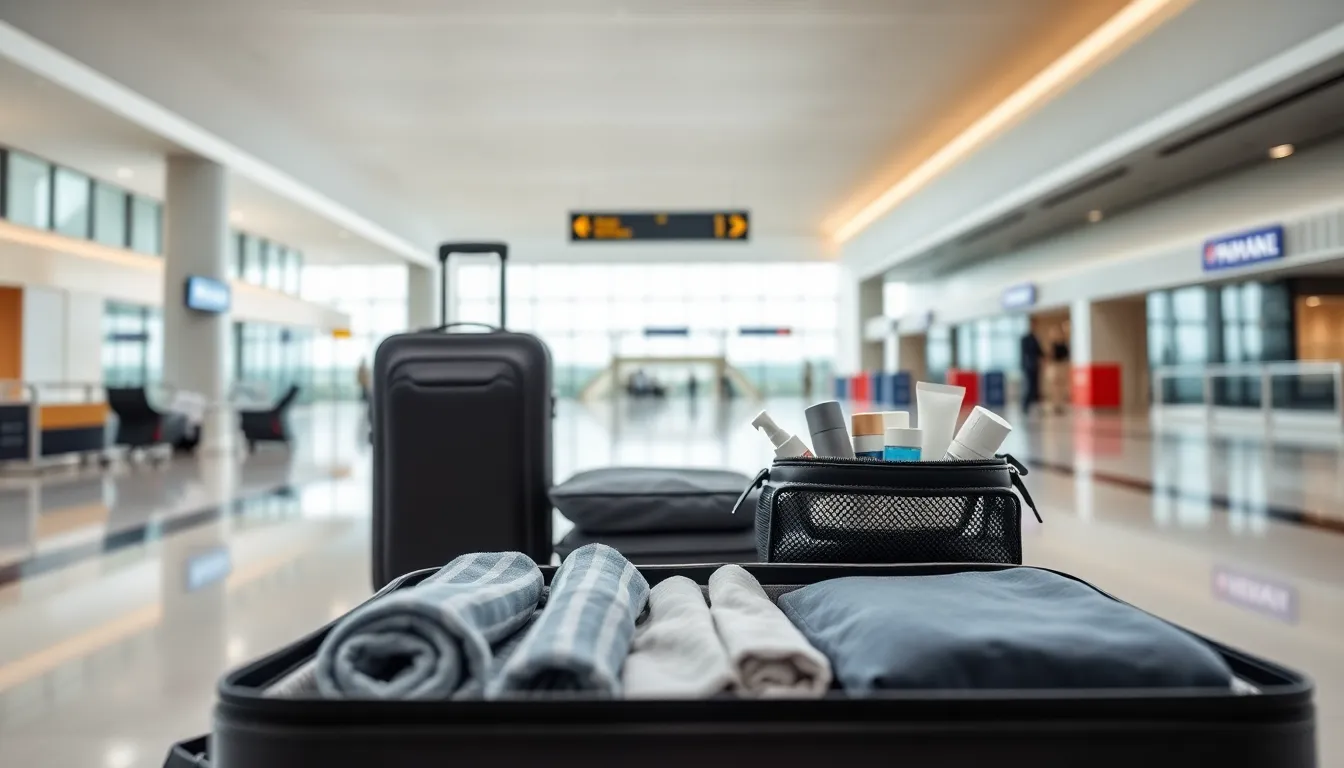
Flying can be a real adventure, but let’s face it—airplane temperatures can swing from Arctic chill to tropical heat in a matter of minutes. Layering clothing isn’t just a smart choice; it’s a survival tactic for anyone who wants to avoid the dreaded in-flight freeze or the sweat-soaked seat.
Table of Contents
ToggleImportance Of Layering Clothing When Flying
Layering clothing provides flexibility in adjusting to cabin temperature changes. Airplanes experience significant temperature variations, often ranging from 60°F to 80°F. Adjusting layers allows travelers to adapt more easily to its shifting environment.
Comfort during a flight directly affects the overall travel experience. Wearing multiple layers, including a base, middle, and outer layer, keeps the body warm or cool as needed. For instance, a lightweight base layer may prove beneficial when feeling cold, while a breathable top layer aids in heat regulation.
Temperature fluctuations can lead to discomfort if travelers remain unprepared. Many airlines utilize air conditioning systems that mandate appropriate attire for diverse passenger preferences. Lightweight, breathable fabrics like cotton and moisture-wicking materials enhance comfort, making layering a practical choice.
On long flights, wearing layers improves coziness without compromising mobility. Removing or adding clothing pieces accommodates varying temperatures between the cabin and outside. Long-sleeved shirts, cardigans, and lightweight jackets serve as excellent options that provide comfort and style simultaneously.
Air pressure changes during the flight can affect body temperature. Dressing in layers minimizes the impact of temperature differences at high altitudes. Additionally, layering contributes to an organized packing strategy. Travelers can mix and match with fewer items, saving space in luggage.
Safety and comfort travel in tandem when dressing appropriately for flying. Some passengers avoid discomfort while navigating tight spaces and unpredictable temperatures. Ultimately, layering clothing proves crucial for staying comfortable and prepared in diverse flying conditions.
Best Materials For Layered Clothing
Choosing the right materials for layered clothing enhances both comfort and functionality during flights. Prioritizing breathable fabrics and insulating layers is essential for sustaining comfort in fluctuating cabin temperatures.
Breathable Fabrics
Cotton serves as a popular choice for its softness and moisture-absorbing properties. Synthetic materials like polyester wick away sweat, making them effective for maintaining dryness. Merino wool offers natural breathability while regulating temperature. Nylon also features lightweight properties, promoting airflow. Some travelers prefer blends that combine multiple materials for enhanced performance. These fabrics keep wearers cool during warm intervals while allowing for easy adjustment when temperatures drop.
Insulating Layers
Down insulation provides exceptional warmth without adding bulk to outfits. Fleece layers retain heat well and dry quickly, making them suitable for unpredictable cabin conditions. Wool sweaters offer a natural insulation option that withstands humidity. Synthetic insulation options, like PrimaLoft or Thinsulate, deliver lightweight warmth even when wet. Considering these materials ensures that layered clothing maintains comfort during long flights. Each layer brings distinct attributes, allowing travelers to adapt effectively to varying temperatures.
Tips For Layering Effectively
Layering clothing enhances comfort during a flight. Travelers should consider the following key aspects for effective layering.
Choosing The Right Base Layer
Select breathable fabrics for the base layer. Materials like cotton or moisture-wicking synthetics work best. Breathable options help regulate temperature and keep moisture away from the skin. Merino wool also provides a soft, insulating experience without added bulk. Position this layer close to the body for optimal performance. Aim for a snug fit that allows for movement and flexibility. Avoid cotton blends that retain moisture, which can lead to discomfort.
Adding Insulating Mid Layers
Incorporate insulating mid layers to maintain warmth without bulk. Fleece and lightweight down jackets offer excellent heat retention while remaining easy to pack. These materials trap heat effectively, benefiting travelers in fluctuating cabin temperatures. Choose mid layers with additional breathability to prevent overheating, especially during longer flights. Consider opting for items with zippers for temperature control. Focus on packability—select styles that compress easily in luggage, making travel hassle-free.
Selecting The Appropriate Outer Layer
Pick a protective outer layer suited for the environment. Windbreakers or lightweight waterproof jackets shield against cold air and moisture. These garments should fit comfortably over mid layers without restricting movement. Look for features like adjustable hoods and cuffs for customized comfort. Lightweight materials ensure the outer wear doesn’t become cumbersome during the flight. Prioritize options that also pack down small for easy storage in carry-ons. This thoughtful approach enhances adaptability in changing temperatures.
Layering Strategies For Different Flight Durations
Travelers handling temperature changes on flights employ specific layering strategies based on flight duration. Long flights necessitate a focus on comfort and versatility, while short flights may require a more streamlined approach.
Long-Distance Flights
On long-distance flights, comfort remains paramount. Travelers should start with a breathable base layer made from moisture-wicking synthetic materials or cotton to regulate temperature. Adding an insulating mid-layer, such as a lightweight down jacket or fleece, helps maintain warmth. An outer layer, like a waterproof windbreaker, provides protection against drafts and potential spills. Selecting packable options enhances convenience, allowing travelers to stow away layers as needed. Prioritizing comfort layers maintains coziness throughout extended journeys, ensuring a pleasant travel experience.
Short Domestic Flights
For short domestic flights, simplicity offers benefits. A breathable base layer remains essential, allowing for easy movement during quick transitions. Layering with a lightweight cardigan or sweater provides warmth without bulk, catering to varying temperatures. An outer layer, such as a versatile jacket, protects against sudden chills. Travelers should maximize efficiency by choosing easily removable layers, facilitating quick adjustments as cabin temperatures fluctuate. This strategic approach enhances comfort without requiring extensive packing, aligning perfectly with the traveler’s streamlined needs.
Layering clothing when flying is essential for maintaining comfort in the face of unpredictable cabin temperatures. By thoughtfully selecting breathable and insulating materials travelers can easily adapt to varying conditions. This approach not only enhances the overall flying experience but also contributes to a more organized packing strategy.
Whether embarking on a long-haul journey or a quick domestic flight, layering allows for flexibility and protection against the elements. With the right combination of base, mid, and outer layers, anyone can navigate the challenges of air travel with ease. Prioritizing comfort through effective layering makes every flight more enjoyable and stress-free.