

In today’s fast-paced educational landscape, digital learning tools are saving educators from drowning in a sea of paperwork and monotony. At Freedom Hill, these tools not only enhance the learning experience but also empower students to take charge of their education, without the need for a superhero cape. Let’s jump into how Freedom Hill is redefining education with technology that sparks curiosity and engagement, while still keeping those important learning goals in sight.
Overview Of Digital Learning Tools
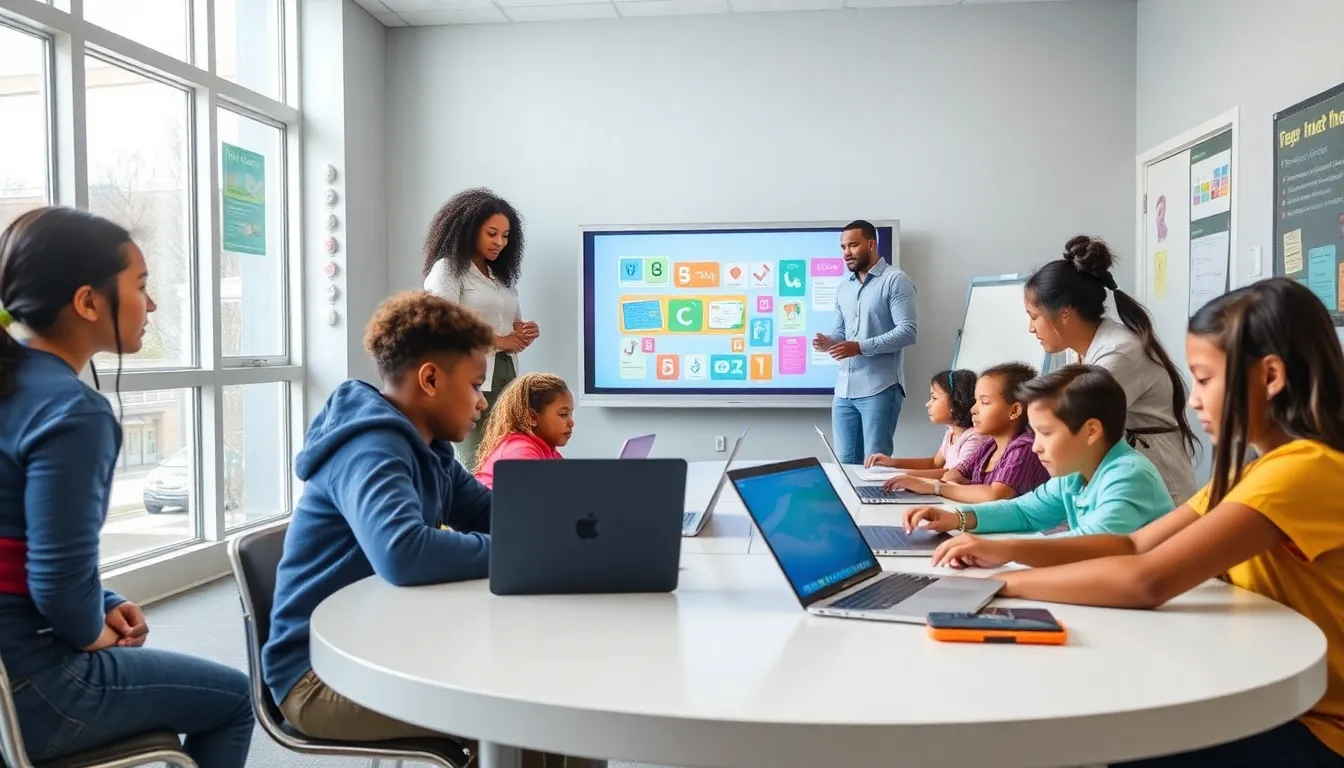
Digital learning tools encompass a wide range of technologies designed to improve the educational experience for both students and teachers. These tools can include everything from interactive whiteboards and learning management systems to educational apps and virtual classrooms. At Freedom Hill, educators have embraced these technologies, creating an environment where students can explore, learn, and collaborate more effectively.
The rise of digital learning tools has revolutionized how information is shared and consumed within classrooms. Rather than relying solely on traditional methods, these tools allow for varied and engaging formats, making lessons more accessible and stimulating. As the educational landscape continues to evolve, understanding these tools becomes more essential than ever.
Benefits Of Implementing Digital Learning Tools
Implementing digital learning tools at Freedom Hill brings a multitude of benefits. For starters, they enhance engagement. Students are generally more excited to participate when they’re interacting with innovative tech. It’s like trading in a dusty old textbook for a shiny new gadget: who wouldn’t want that?
Another significant advantage is personalized learning. With digital platforms, educators can tailor lessons to meet individual student needs. One student might benefit from visual content, while another might excel with interactive quizzes. Tailoring approaches to student preferences helps improve comprehension and retention.
Also, these tools give educators the opportunity to track progress more effectively. Analytics from various platforms provide insights into student performance, enabling instructors to identify struggling learners early and address their needs more proactively. In short, implementing digital learning tools not only transforms the teaching and learning process but optimizes it for success.
Types Of Digital Learning Tools Used At Freedom Hill
At Freedom Hill, a variety of digital learning tools are utilized to foster a dynamic educational environment. Here are a few of the most impactful tools currently in use:
Strategies For Effective Integration
Integrating these tools effectively requires thoughtful planning. Educators at Freedom Hill collaborate to select tools that complement their teaching objectives. For instance, incorporating project management software helps students organize and execute group assignments seamlessly while also fostering accountability among peers.
Teacher Training And Support
To maximize the potential of these tools, ongoing teacher training is essential. Freedom Hill invests in professional development sessions that educate staff about new technologies, ensuring that all educators feel equipped and confident in implementation. By offering practical support and resources, they empower teachers to seamlessly weave digital tools into their curriculum.
Student Engagement Techniques
Freedom Hill places a significant emphasis on student engagement. Utilizing gamified learning platforms encourages healthy competition and motivation among students. When lessons feel like games, students are more inclined to participate actively and push their learning boundaries.
Challenges And Solutions
Of course, the integration of digital learning tools is not without its challenges. One significant hurdle is the digital divide. Not all students may have equal access to technology at home, which can create disparities in learning opportunities. To address this, Freedom Hill has implemented initiatives such as lending programs for devices, ensuring every student can participate fully in their digital learning journey.
Another challenge is the potential for distraction. With so many online resources available, students may find it all too easy to veer off course. Educators tackle this issue by establishing clear expectations for technology use in class and incorporating strategies like structured online activities that keep students focused and engaged.
Measuring Success And Effectiveness
To ensure that digital learning tools are making a tangible impact, Freedom Hill continuously measures their effectiveness through various metrics. One method involves conducting regular surveys with both students and teachers. Feedback gathered helps to fine-tune tool selection and usage based on what is working and what isn’t.
Performance data also plays a crucial role in measuring success. The school analyzes test scores and project outcomes to garner insights into student understanding and retention. By evaluated both quantitative and qualitative data, Freedom Hill can adapt its strategies to better serve their learners.
Future Trends In Digital Learning At Freedom Hill
Looking ahead, digital learning at Freedom Hill is bound to evolve even further. One anticipated trend is the increased use of artificial intelligence to personalize education on a larger scale. AI has the potential to cater lessons specifically to each student’s progress and difficulties. Imagine an adaptive learning platform that auto-adjusts its difficulty based on a student’s quiz performance.
Also, the integration of augmented reality (AR) and virtual reality (VR) could transform how students interact with their learning materials. By immersing students in virtual environments, these technologies can provide experiences that textbooks simply cannot match. As Freedom Hill embraces these innovations, it will be poised to set an example for educational institutions everywhere.