
Packing for a trip or organizing a closet can feel like a game of Tetris, where every piece of clothing seems to have a mind of its own. But what if there’s a simple solution that not only saves space but also keeps your clothes wrinkle-free? Enter the art of rolling clothes—a technique that’s as satisfying as finding an extra fry at the bottom of the bag.
Table of Contents
ToggleBenefits Of Rolling Clothes
Rolling clothes offers significant advantages, particularly in space efficiency and organization. This packing technique stands out for several reasons.
Space Efficiency
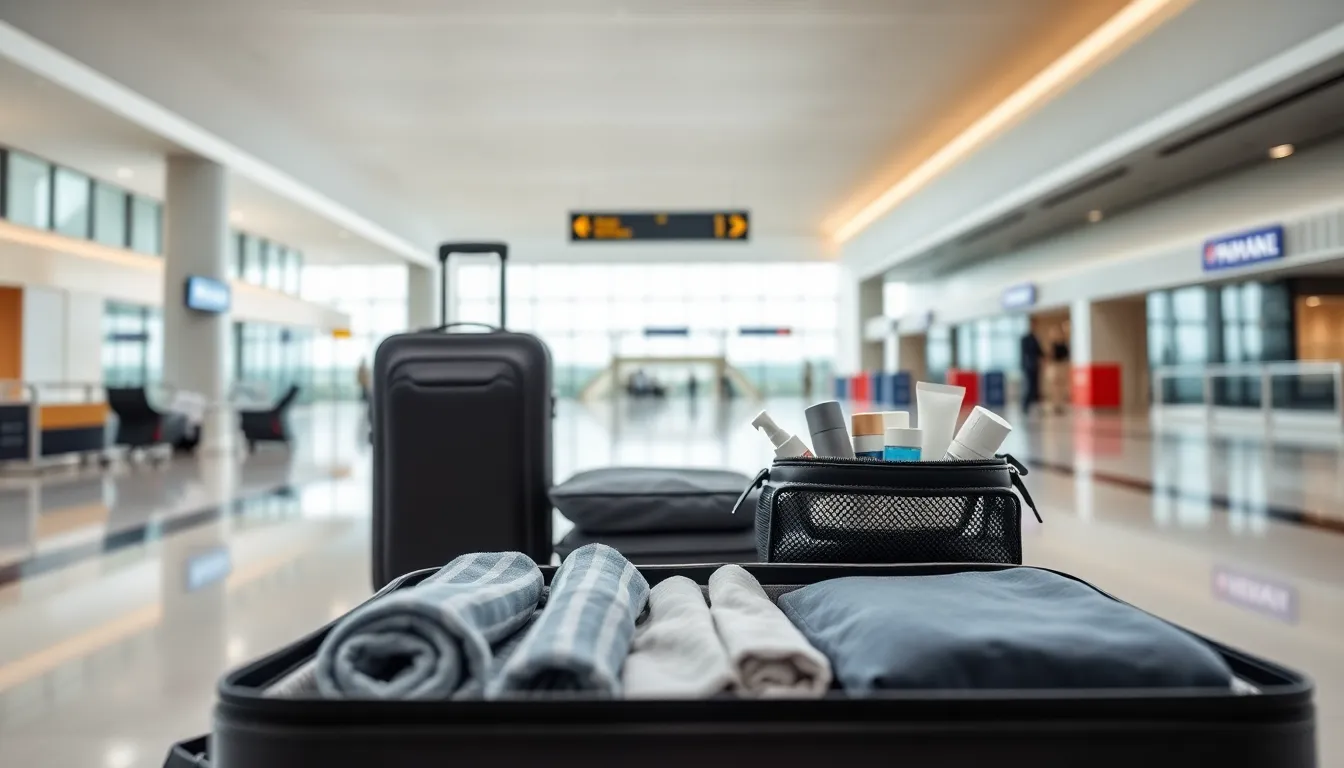
Space efficiency significantly improves when clothes get rolled instead of folded. Rolling creates compact shapes that fit seamlessly in bags and drawers. Travelers often find they can pack more items using this method, allowing for a more organized suitcase. According to studies, rolling can save up to 20% more space in luggage compared to traditional folding. Increased space makes it easier to include additional essentials or souvenirs.
Organization
Organization becomes more manageable as rolling allows for better visibility of packed items. Rolls stack neatly, making it simple to see all clothing at a glance. This method also minimizes wrinkling, as tightly rolled garments maintain their shape. Proper organization extends beyond travel; rolled items occupy less room in closets. Furthermore, individuals often report quicker access to clothing when sorted this way. Prioritizing efficiency in packing and storage enhances the overall experience while saving time.
How To Roll Clothes Effectively
Rolling clothes saves space and helps maintain organization. This method simplifies packing and can enhance the travel experience.
The Basic Technique
Start by laying the garment flat on a surface. Fold the sleeves in towards the center for shirts, or simply smooth pants. Create a tight roll from one end to the other for optimal compression. Ensure each piece is securely rolled without excess fabric, which could create bulk. Place the rolled garment in your bag vertically to maximize space and allow easy access.
Different Methods For Various Fabrics
Cotton rolls easily and maintains shape well. For delicate fabrics like silk, use a loose roll to avoid creasing. Consider using a fold rather than a roll for thicker items like sweaters to maintain integrity. Stretchy materials require careful rolling to prevent distortion. Wool blends can roll tight but should be packed loosely to keep the fibers intact. Always adjust your technique based on fabric type for the best outcome.
Tips For Maximizing Space
Maximizing space during packing enhances organization and efficiency. Effective techniques contribute significantly to achieving optimal results.
Packing Cubes And Compression Bags
Packing cubes and compression bags significantly aid in space management. These tools organize items neatly and compress clothing for efficient packing. Packing cubes enable easy categorization of garments, making it simple to locate specific items. Compression bags, on the other hand, eliminate excess air, reducing volume by up to 50%. Using these tools together allows travelers to fit more clothing in limited spaces, enhancing overall packing efficiency. For best results, choose the right size for each garment type.
Layering Clothes Strategically
Layering clothes strategically enhances packing efficiency. Start with larger items at the bottom, then place smaller garments on top. This arrangement optimizes space while ensuring easy access to frequently used items. Tucking smaller articles like socks into rolled sleeves or shoes maximizes every inch available. Prioritizing different clothing types helps maintain organization, as heavier fabrics provide a stable base. Rolling lightweight pieces can fill in gaps, ensuring a snug fit within bags. By carefully planning the layout, it’s possible to increase overall space utilization while keeping clothing visible and accessible.
Common Mistakes To Avoid
Many people overlook the importance of choosing the right rolling technique for various fabrics. Using a tight roll may damage delicate fabrics like silk, while thicker items need more attention to compression. Not prioritizing the layout within packing cubes may lead to wasted space and disorganization.
Ignoring the significance of vertical placement often reduces access to clothing. Making an effort to place rolled garments vertically creates better visibility for quick retrieval, especially when packed tightly.
Underestimating the value of layering clothes can also hinder packing efficiency. Starting with larger garments at the bottom, followed by smaller articles, improves space utilization significantly. Additionally, tucking socks or accessories into rolled clothes or shoes maximizes available space.
Relying solely on rolling clothes may not fully address organizational needs for longer trips. Combining rolling with packing cubes or compression bags can enhance volume reduction by up to 50%. Ultimately, integrating these strategies creates an efficient packing system.
Lastly, failing to check the weight distribution in luggage may lead to uncomfortable carrying experiences. Balancing heavier items on the bottom aids stability and makes transportation easier. Prioritizing these simple adjustments offers a smoother travel experience and improved organization.
Rolling clothes is a game changer for anyone looking to maximize packing efficiency and maintain organization. This technique not only saves space but also reduces wrinkles and enhances visibility of items. By adopting the right rolling methods and combining them with packing tools like cubes and compression bags, travelers can optimize their luggage for any journey.
Avoiding common mistakes, such as selecting inappropriate rolling techniques for different fabrics, ensures that clothing remains in excellent condition. With thoughtful planning and strategic packing, individuals can enjoy a more streamlined travel experience. Embracing the art of rolling clothes transforms the way they pack and store garments, making every trip more enjoyable and hassle-free.