
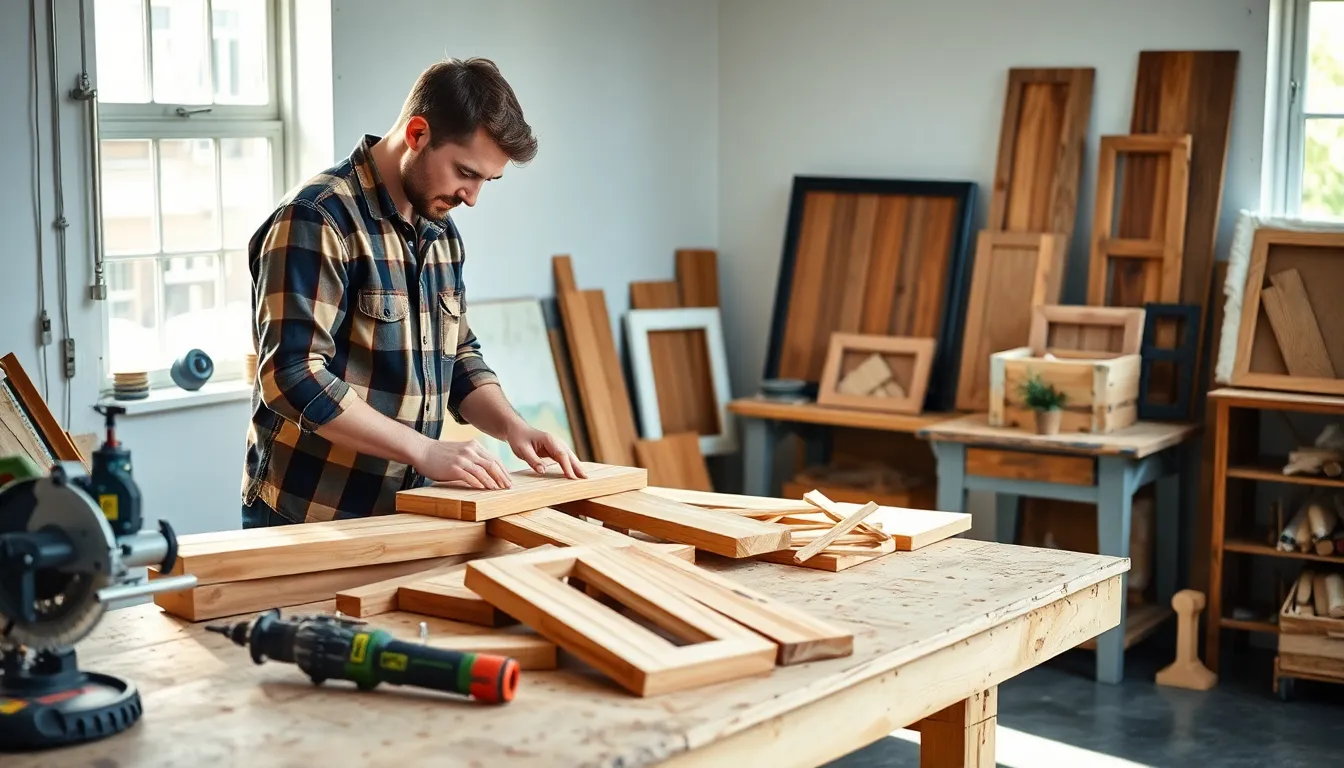
Looking to unleash your inner carpenter? Small DIY wood projects are the perfect way to jump into the world of woodworking without turning your living room into a lumberyard. Not only are these projects satisfying, but they also make your home a little cozier. Imagine crafting a chic wooden planter or a functional birdhouse, all while feeling like the woodworking wizard you were born to be. With just a handful of tools and a little creativity, you can transform a few planks into something truly remarkable. This article explores the benefits of DIY, essential tools, and easy projects that even beginners can tackle with assurances of success.
Benefits of DIY Wood Projects
Engaging in small DIY wood projects offers a plethora of benefits. First and foremost, they enhance one’s creativity and problem-solving skills. When an individual sets out to create a wooden masterpiece, they’re not just following instructions: they’re using their intuition to solve design challenges. Secondly, these projects are more than just fun: they’re budget-friendly alternatives to store-bought items. Crafting a unique bookshelf or coffee table can save significant money while offering a personalized touch your guests will admire.
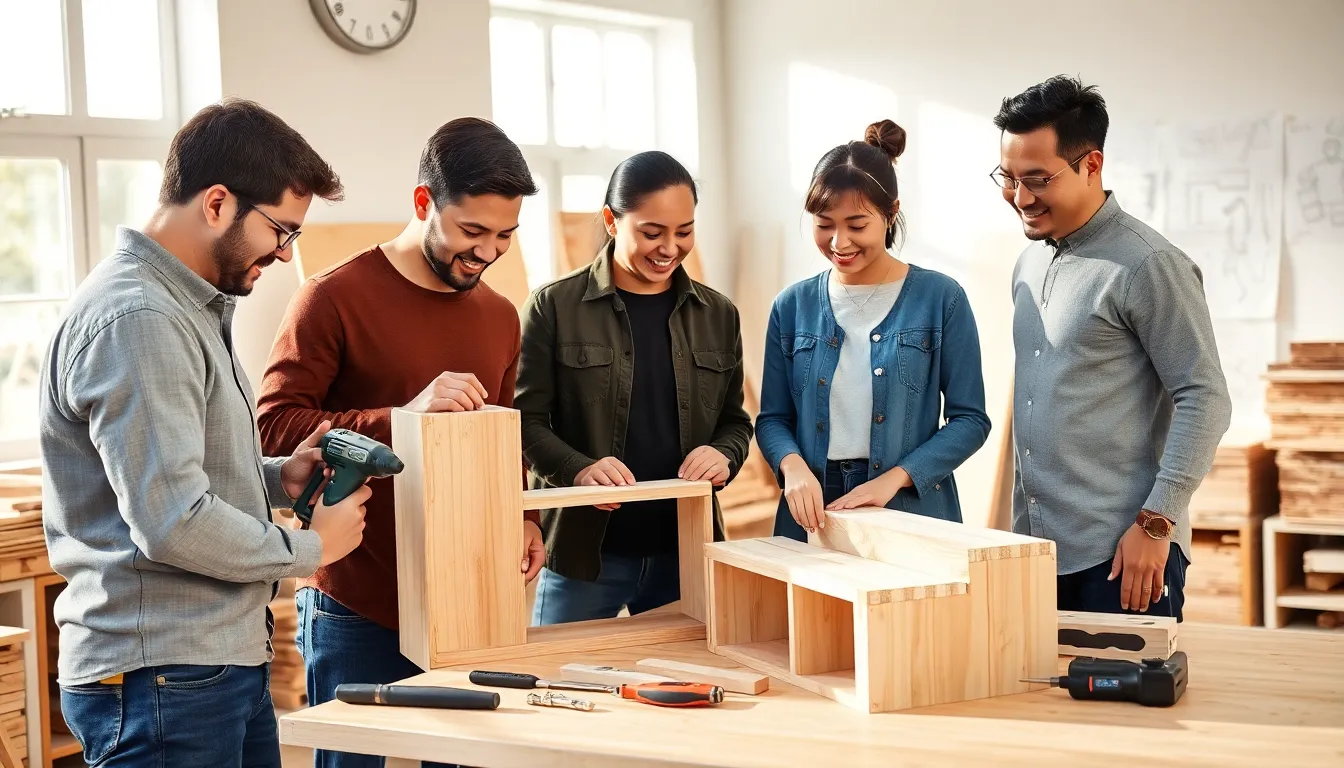
Also, investing time in woodworking fosters a sense of achievement. The satisfaction of standing back and admiring one’s handiwork is unmatched. Not to mention, working with wood helps improve fine motor skills and hand-eye coordination. Anyone can pick up a tool, but mastering its use develops confidence and proficiency over time. Finally, it’s a fantastic way to bond with family and friends. Imagine spending a weekend with loved ones, creating something together. The laughter, conversation, and shared accomplishments create lasting memories.
Essential Tools for Your Wood Projects
Before diving into woodworking, having the right tools on hand is vital. A basic toolkit ensures smooth sailing through various projects. Start with a circular saw for cutting precision and a miter saw to create those flawless joints. Next, invest in a quality drill to simplify the assembly process. A chisel set is essential for finer details, while sandpaper will help achieve that smooth finish.
Let’s not forget about safety glasses and ear protection. Being cautious can’t be overstated. Clamp down your workpieces for stability, and always keep your workspace organized. Having a sturdy workbench can make all the difference. While it might seem like the tool selection is overwhelming at first, focusing on a few core items will make projects more manageable and enjoyable.
Five Simple DIY Wood Projects to Try
Now that the tools are ready, it’s time to get hands-on. Here are five small DIY wood projects that are perfect for beginners:
- Wooden Planter Boxes: Create elegant planter boxes that can fit windowsills or patios with just a few cuts and screws. Paint or stain them afterward for a personal touch.
- Birdhouses: These charming little structures not only beautify the yard but also attract birds. Simple designs can be found online, making this project accessible for all skill levels.
- Picture Frames: Custom picture frames add personality to any room. A basic rectangular frame is easy to make, and varying the wood type gives a unique effect.
- Storage Crates: With just a few planks, one can build stylish, functional storage crates to declutter the home. They can be used for toys, books, or even as decorative accents.
- Wall Shelves: Floating shelves are a fantastic way to display collectibles or books. By following straightforward designs, one can create a space-saving solution that’s both functional and aesthetically pleasing.
Tips for Successful Woodworking
As with any skill, woodworking requires practice and patience. Here are some tips to ensure success:
- Measure Twice, Cut Once: It’s an age-old adage for a reason. Double-checking measurements can save time and materials in the long run.
- Start Small: Don’t let ambition dictate your choices. Beginning with smaller projects builds confidence and skill without overwhelming you.
- Practice Patience: Good things take time. Allow wood glue to set properly and don’t rush the sanding or painting process.
- Ask for Help: Joining a local woodworking club or community can provide immense resources and support. Learning from others often shortens the steep learning curve.
Safety Precautions When Working with Wood
Safety should always be a priority in any DIY wood project. Here are essential precautions to keep in mind:
- Wear Protective Gear: Safety goggles and dust masks protect against debris and harmful particles.
- Work in a Well-Ventilated Area: When applying finishes or paints, ensure that your space has adequate airflow to prevent inhalation of fumes.
- Use Proper Techniques: Always follow the manufacturer’s instructions for tools, and avoid loose clothing that could get caught in machinery.
- Keep a First Aid Kit Handy: Accidents can happen even with strict precautions. It’s always good to be prepared.